A Case Study in Public Health Messaging
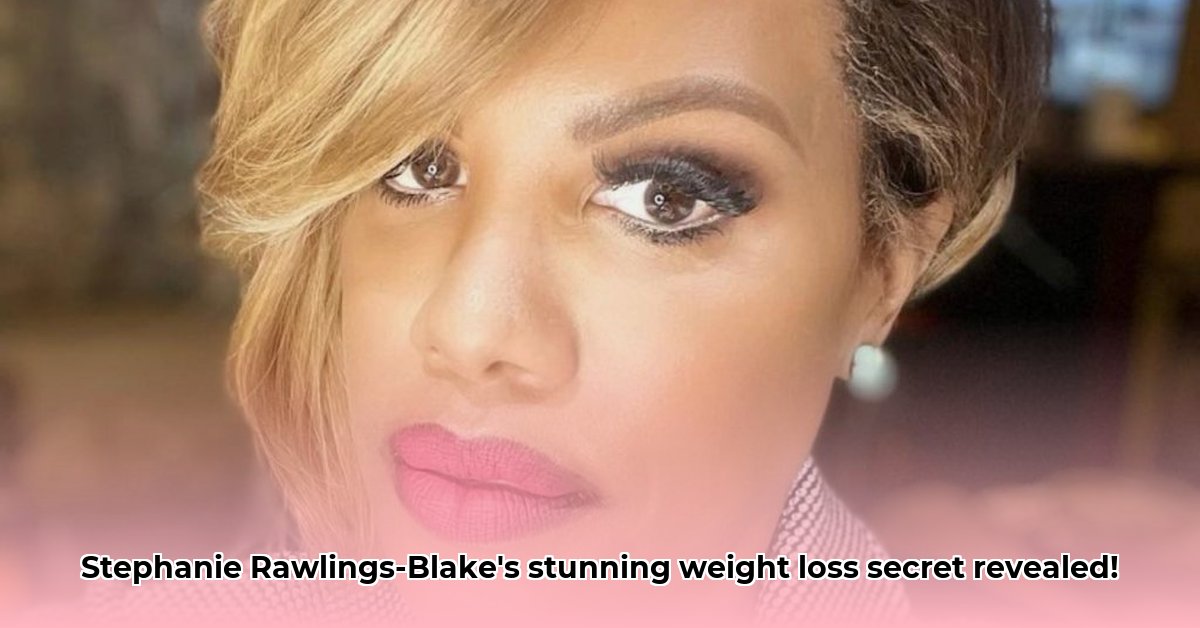
Former Baltimore Mayor Stephanie Rawlings-Blake's weight loss journey, while largely private, provides a valuable case study in the impact of public figures on public health messaging. While precise details regarding her methods remain undisclosed, her story highlights the importance of role models in promoting healthy lifestyles and the complexities of translating personal transformations into broader public health initiatives. This analysis will examine her public health initiatives, the limitations of available data, and the potential influence of her actions on encouraging healthier behaviors.
Public Advocacy and Initiatives
Ms. Rawlings-Blake's commitment to community well-being is evident in her public health initiatives. Her notable involvement with B’More for Healthy Babies, a program she partnered with Jennifer Hudson and Weight Watchers, exemplifies her dedication to improving maternal and child health in Baltimore. This collaboration underscores the potential synergies between community leadership and wellness advocacy. While the extent to which her personal weight loss journey directly influenced her engagement in this program is unknown, her leadership in this initiative highlights the importance of collaboration in public health interventions.
Anecdotal Evidence and Limitations
Information about Ms. Rawlings-Blake's specific weight loss methods is limited. While reports suggest increased physical activity, specifically regular walking, precise details regarding her diet, exercise regimen, starting weight, and total weight loss remain unavailable. This lack of quantifiable data significantly restricts a comprehensive analysis of her strategy. This case study, therefore, highlights the inherent challenges in drawing definitive conclusions from anecdotal evidence and underscores the need for more rigorous data collection in public health research. The absence of precise data emphasizes the limitations of relying solely on personal narratives, especially when attempting to generate actionable insights for public health strategies.
Public Figure Impact: A Silent Message
Despite the scarcity of specific details, Ms. Rawlings-Blake's visible commitment to fitness carried significant influence. Her actions served as a powerful, albeit silent, message about the importance of physical activity and healthy lifestyle choices. This visibility, especially considering her prominent public role, likely resonated with many individuals. The potential of her actions to indirectly inspire others to prioritize their well-being remains an important, although unquantifiable, aspect of this case study. This silent influence underscores the importance of role modeling in promoting healthy behaviors.
Actionable Insights and Recommendations
While precise details are lacking, Ms. Rawlings-Blake's journey provides valuable actionable insights for various stakeholders:
Public Health Officials: Leverage partnerships with high-profile individuals to enhance the reach and impact of public health campaigns. The increased visibility provided by celebrity endorsements can significantly improve community engagement and program participation.
Weight Management Programs: Incorporate the involvement of community leaders and influencers to build trust and foster increased engagement amongst participants. This personal connection can be a powerful motivator for sustained behavior change.
Individuals: Prioritize gradual, sustainable changes to diet and activity levels, focusing on holistic wellness rather than quick-fix solutions. Seeking guidance from qualified health professionals is recommended.
Conclusion
Stephanie Rawlings-Blake's weight loss journey, though lacking in specific details, offers important lessons about public health messaging and the influence of role models. The limited data available highlights the crucial need for enhanced data collection in public health research. While her personal transformation is inspirational, the absence of specific details underscores the importance of responsible reporting and the challenges associated with translating individual experiences into effective public health strategies. The emphasis should be on promoting sustainable lifestyle changes, not quick fixes, and on the value of collaboration in creating effective community-based health initiatives. Further research is needed to better understand how to leverage the power of influential figures in promoting healthy behaviors.